Winter Skin in New Zealand: 5 Changes You'll Notice (and Exactly How to Adapt)
April 22, 2026
There's a specific moment every year when you realise your skin isn't behaving the way it used to. Maybe it's that tight feeling after your morning cleanse, the flaky patch that's suddenly appeared on your cheek, or the dullness you can't seem to shift no matter how much serum you layer on.
It's not your imagination, and it's not bad luck. Your skin genuinely behaves differently in a New Zealand winter, and the routine that served you well through summer simply isn't going to cut it for June, July and August.
Here's what's actually happening, the five changes to watch for, and exactly how to adapt your routine so your skin stays comfortable, hydrated and glowing through the colder months.
What's actually happening to your skin in winter
Winter down here is a double hit for your skin. Outside, cooler temperatures and lower humidity mean less moisture in the air for your skin to hold onto. That's especially true in Christchurch, Queenstown, Central Otago and anywhere in the South Island where winter air tends to be drier and colder than the coastal humidity we get in summer.
Inside, it's arguably worse. Heat pumps, log burners and wood fires strip moisture from indoor air, and the long hot showers that feel so comforting on a frosty morning are quietly breaking down your skin's protective barrier. If you're in an older, less insulated home (which plenty of us are), the swing between a cold bedroom and a heated living room is another stressor your skin is quietly reacting to.
And then there's winter UV. It's a myth that you don't need SPF in a New Zealand winter. On a clear day in Auckland, Tauranga or even down south, UV can still reach levels that cause skin damage, and our UV is famously strong thanks to a thinner ozone layer and low atmospheric pollution. Your collagen and skin barrier are still under quiet attack, even when it doesn't feel warm.
The result? Five very specific changes that most women start noticing by late May or June.
1. That tight, stripped feeling after you cleanse
You wash your face and within 30 seconds your skin feels pulled tight across your cheekbones. It's the first sign that your skin barrier is losing the battle against winter conditions, and the cleanser that felt fine in summer is now stripping too much.
Foaming cleansers and anything with strong surfactants tend to be the culprits. They work by lifting oil, and in winter, your skin doesn't have oil to spare.
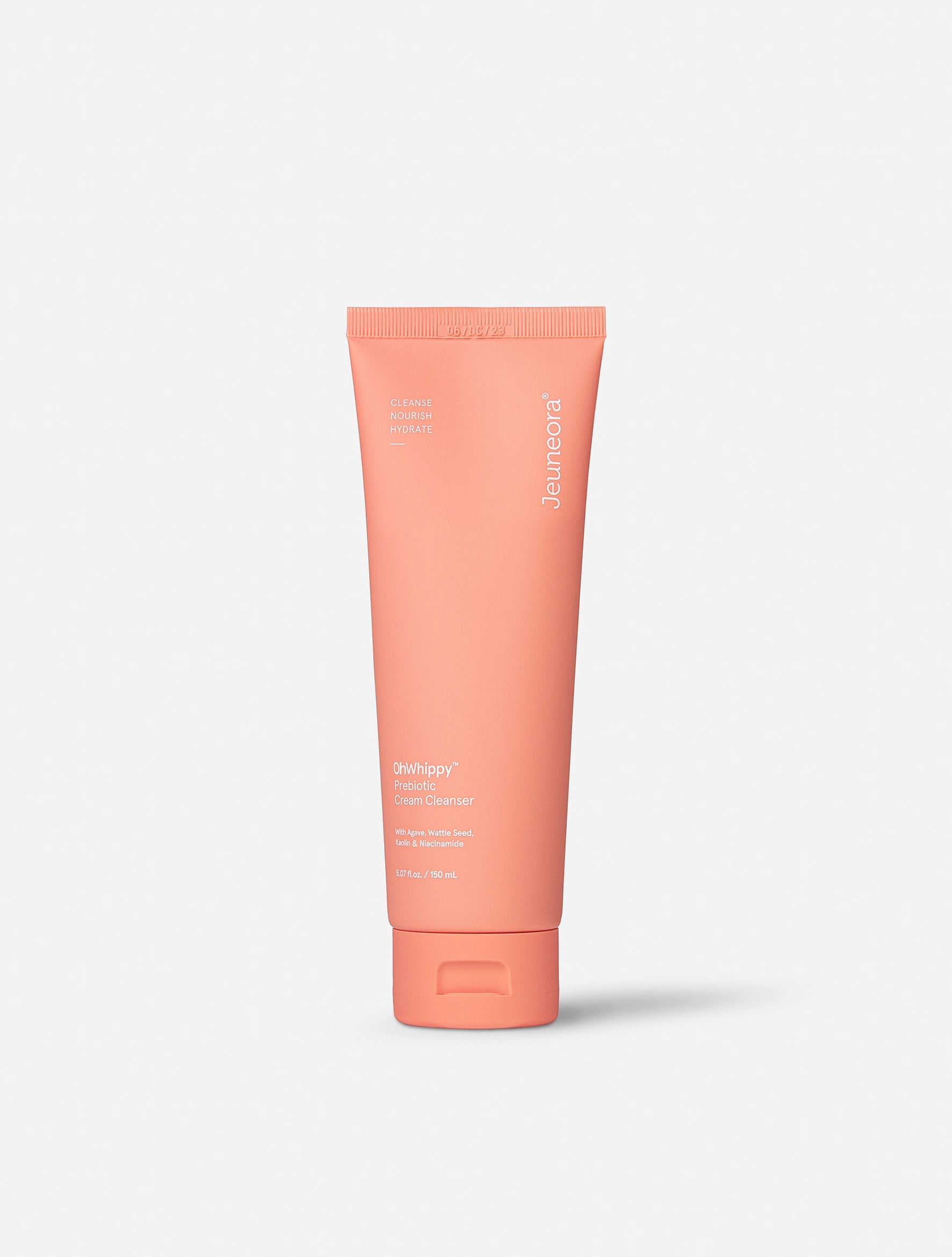
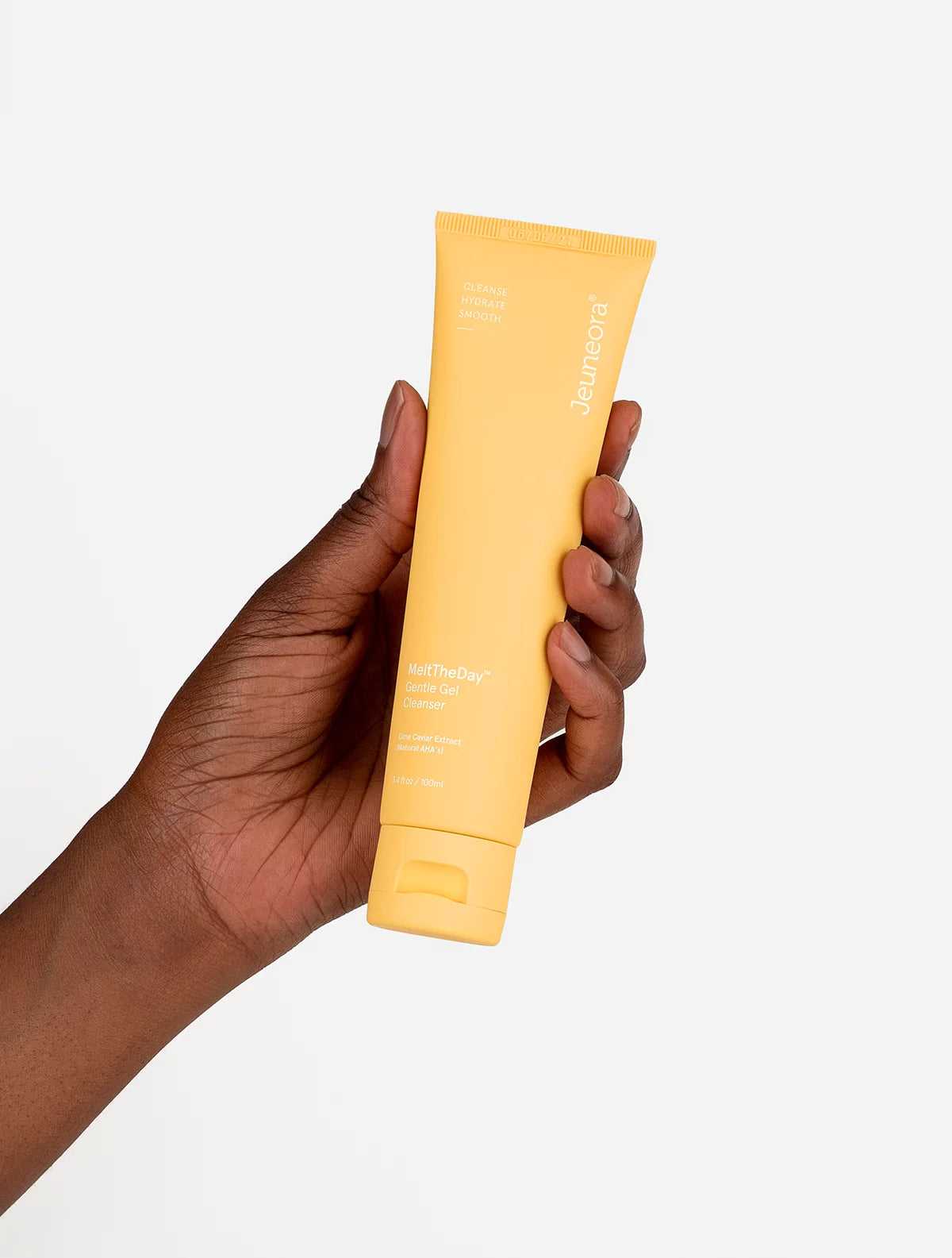
The fix: switch to a gentler, barrier-friendly cleanser. OhWhippy Prebiotic Cream Cleanser uses a cushioning cream texture and prebiotics that actually support your skin's microbiome rather than stripping it. For evenings, especially if you wear SPF and makeup, a double cleanse starting with MeltTheDay Oil Cleanser dissolves everything off your skin without disrupting the barrier underneath.
When to switch: as soon as you notice the tight feeling. Don't wait for flaking.
2. Dry patches, flaking or rough texture that wasn't there before
Next come the dry patches. Often around the nose, the corners of the mouth, or across the cheeks. Foundation stops sitting right. Exfoliating feels like it should help, but it usually makes things worse.
This is your skin barrier waving a flag. When the outermost layer of your skin loses water faster than it can replace it (trans-epidermal water loss, or TEWL), you get visible flaking and rough texture. Cold southerlies, heated indoor air and long showers all accelerate it.
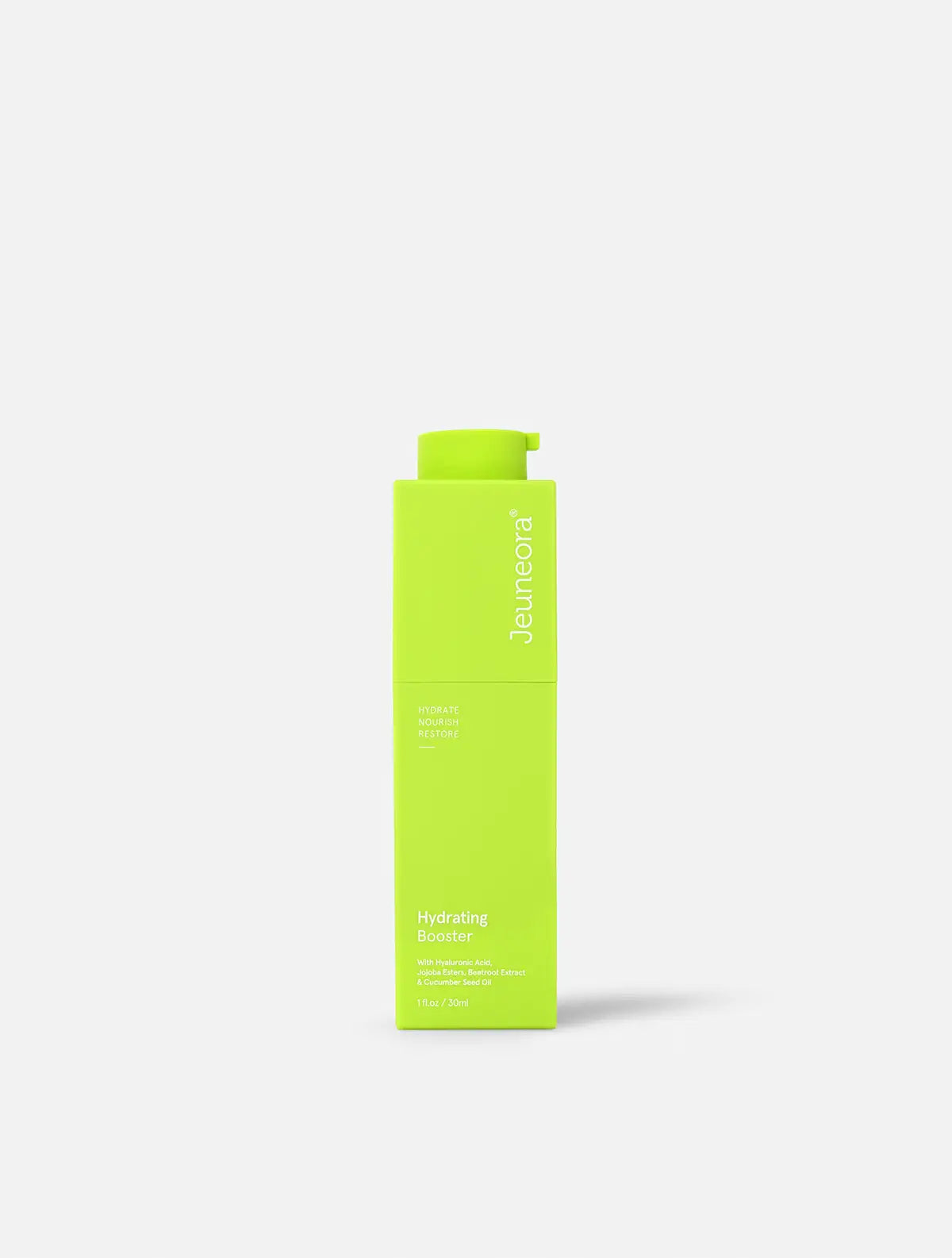
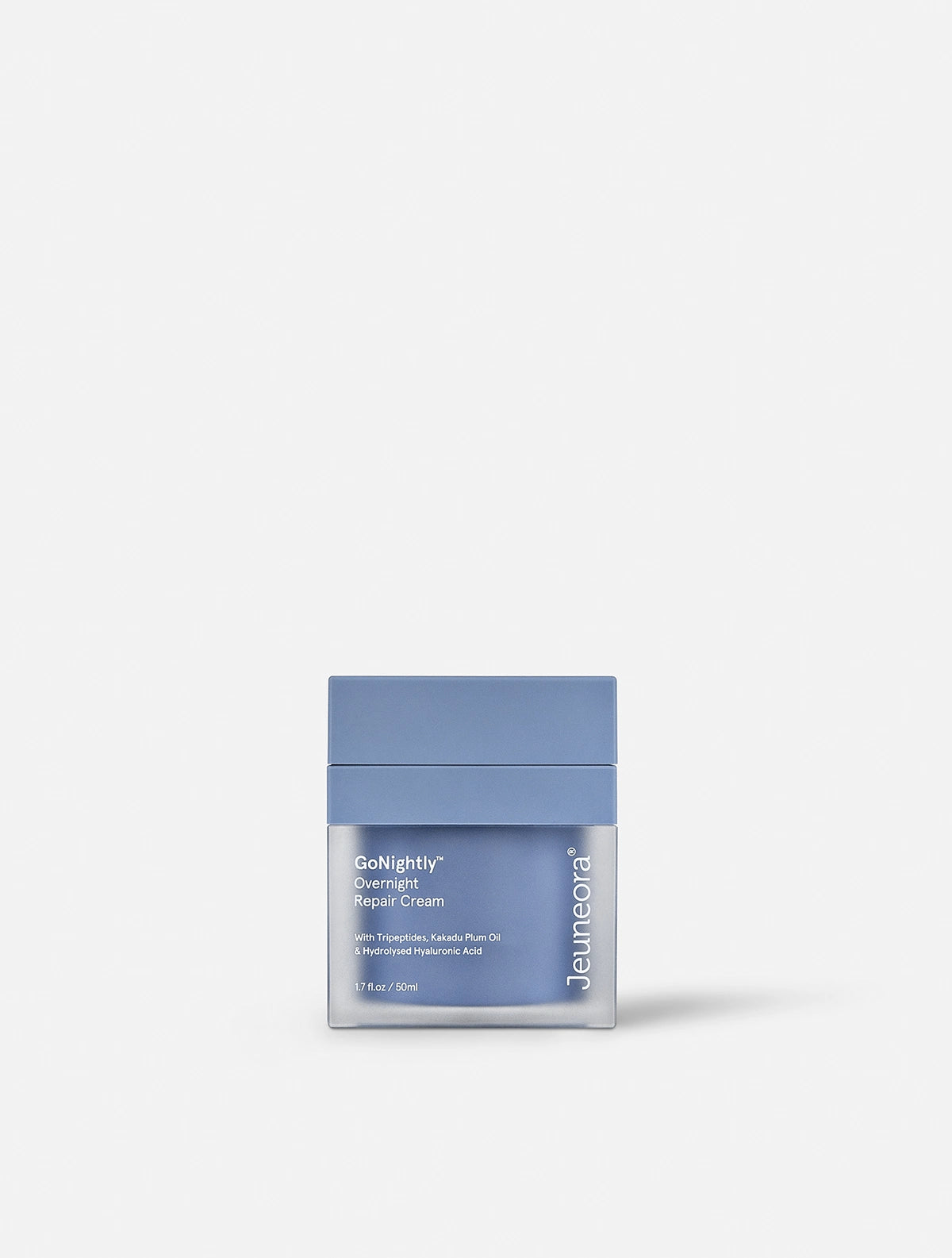
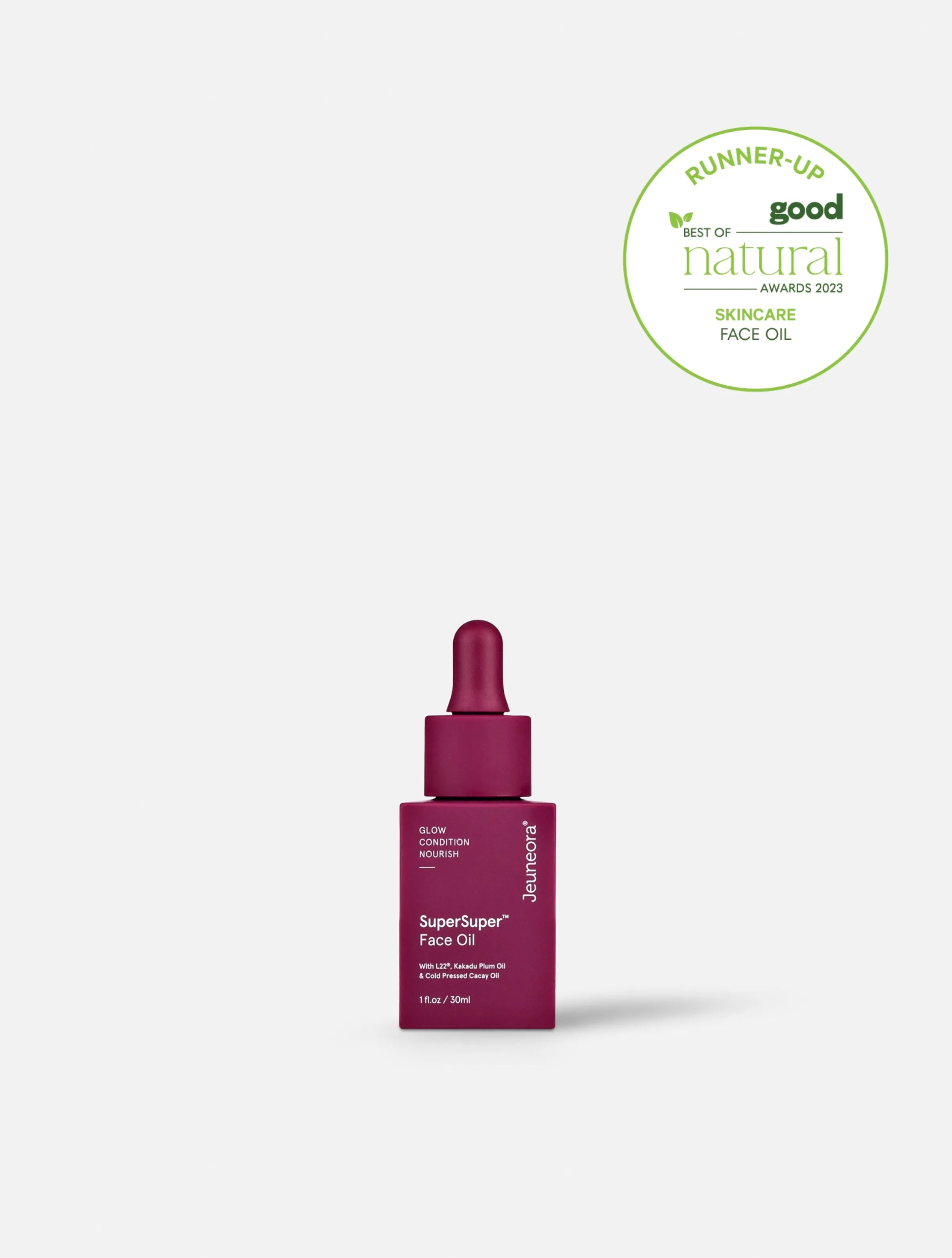
The fix is to layer hydration properly at night, when your skin does its deepest repair. Start with Hydrating Booster, a hyaluronic acid serum that pulls water into the skin. Follow with a rich cream like GoNightly Overnight Repair Cream to hold that hydration in place. Then seal the whole thing with a few drops of SuperSuper Face Oil pressed over the top. That three-step sequence (water, cream, oil) is what stops the heat pump and wind from pulling moisture back out overnight.
When to expect improvement: within 3 to 5 days of layering hydration correctly.
3. Redness or sensitivity that wasn't there before
If your cheeks are suddenly flushing after you come inside, or products you've used for years are starting to sting, your barrier has been compromised. A healthy skin barrier is what keeps irritants out and moisture in. When it's damaged, everything feels more reactive.
This one is especially common in Wellington, Christchurch, Dunedin and anywhere with a big indoor-outdoor temperature swing. The constant shift between a frosty morning and a heated office does a number on the capillaries in your cheeks.
The fix is to pull back, not push harder. Park any active ingredients (strong retinoids, exfoliating acids, vitamin C at high concentrations) for a week or two and focus on barrier repair. GoNightly Overnight Repair Cream is formulated for exactly this. It's rich without being heavy, and it works overnight when your skin does its deepest repair.
When to expect improvement: 7 to 10 days of consistent barrier support.
4. Your complexion looks dull, even with a consistent routine
You're doing everything right, but your skin has lost that lit-from-within look. Winter dullness is real, and it's a combination of slower cell turnover, dehydrated skin scattering light differently, and less outdoor time (which means less natural vitamin D, something plenty of Kiwis are already low in through winter).
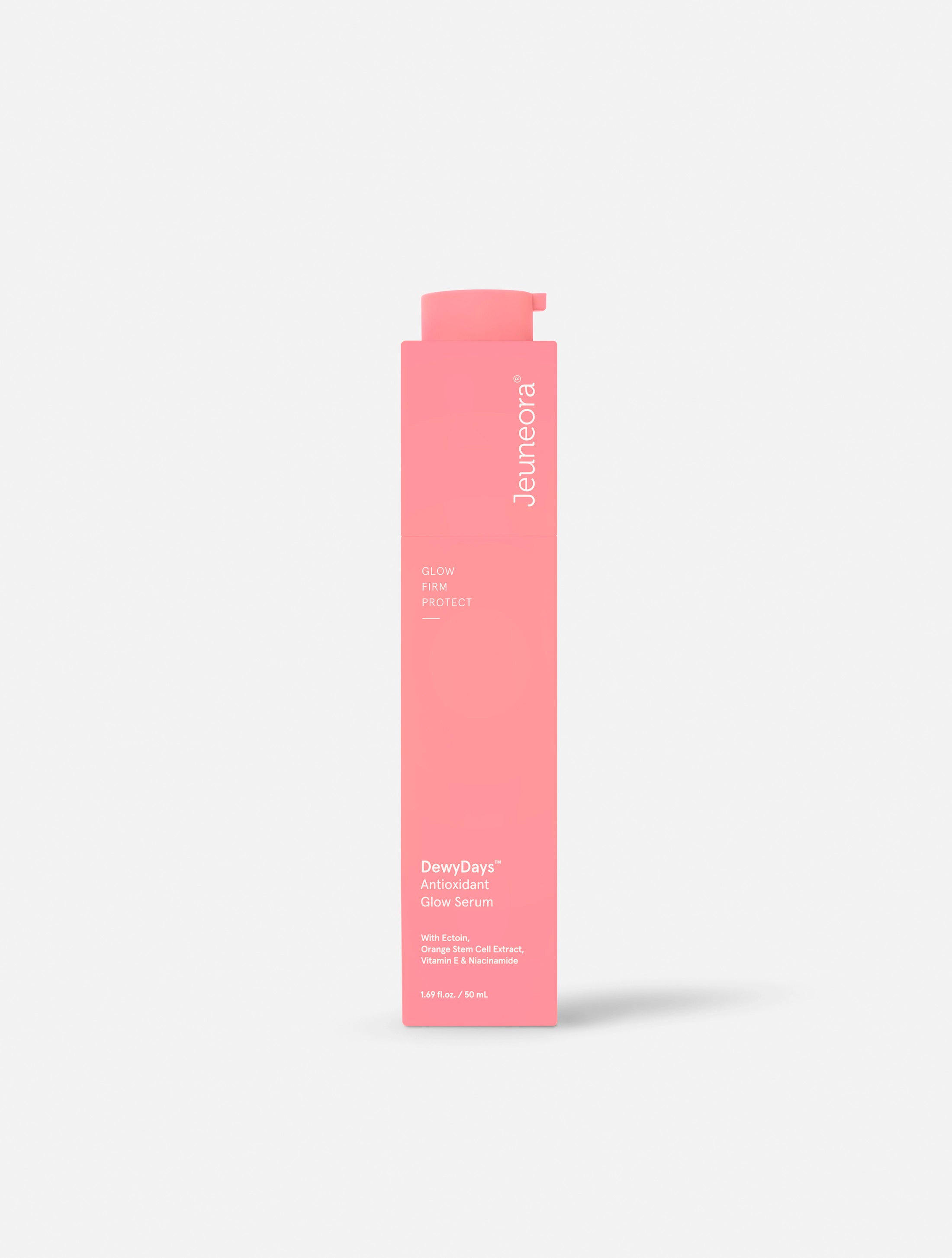
The fix is twofold. Topically, antioxidants help counter the oxidative stress that contributes to dullness, which is exactly what DewyDays Antioxidant Glow Serum is built around. Used in the morning under your day cream and SPF, it helps protect your skin from daily environmental stress while supporting that healthy glow.
But the bigger unlock is internal. Dullness often reflects what's happening beneath the surface, and no amount of serum can compensate for a tired gut or depleted nutrient stores. More on this shortly.
When to expect improvement: 2 to 4 weeks for visible change.
5. Your usual moisturiser stops feeling like enough
Your summer moisturiser suddenly feels thin. You apply it, and within an hour your skin feels parched again. This isn't you being dramatic. Your skin's moisture requirements genuinely change with the seasons.
The fix is to step up the weight of what you're using, especially at night. For most women through a New Zealand winter, this looks like Hydrating Booster as your hydrating layer, followed by a richer night cream like GoNightly, sealed with a few drops of SuperSuper Face Oil on the nights your skin feels particularly dry.
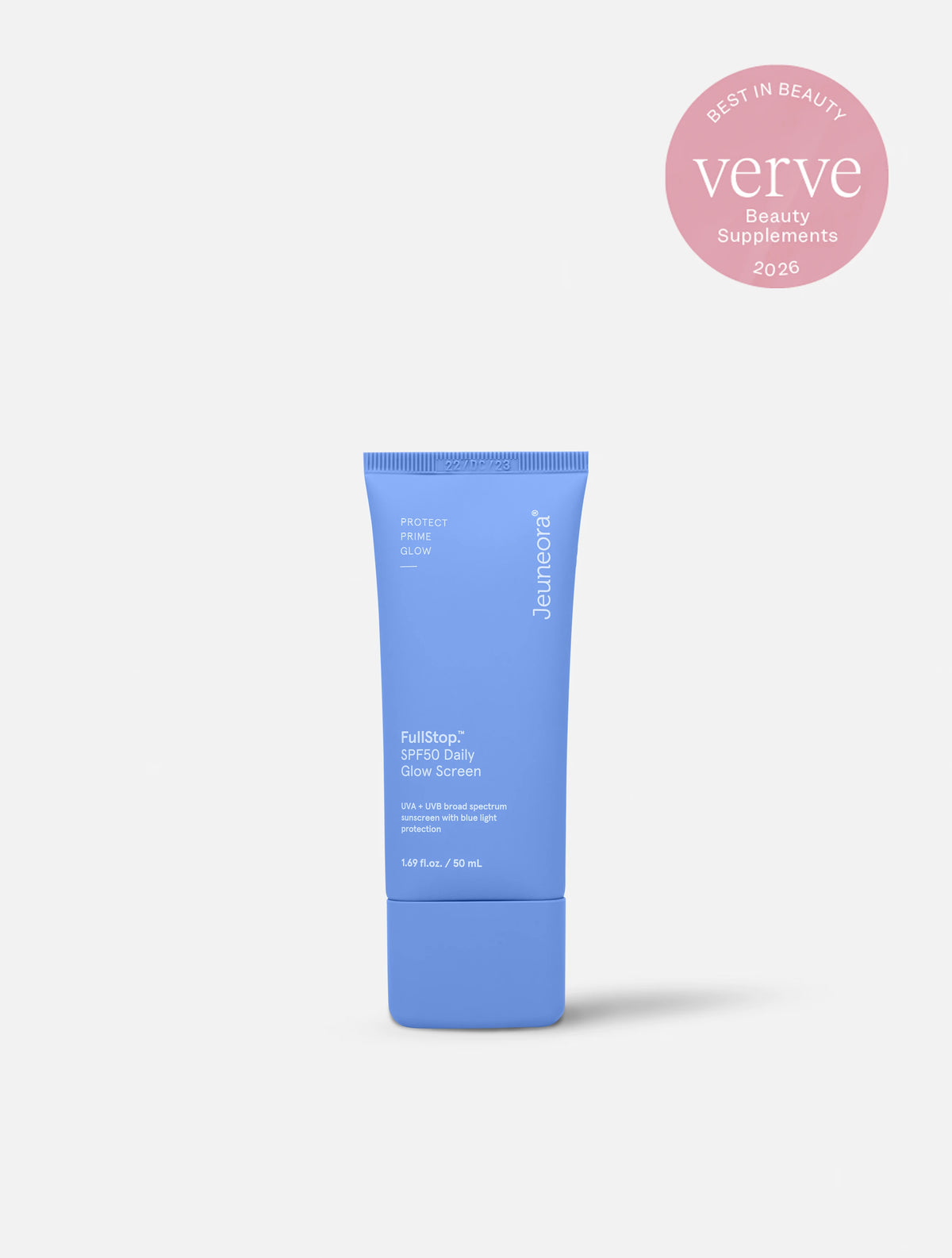
During the day, GoLightly Plump and Protect Day Cream under FullStop SPF50 gives you plumping hydration and UV protection in two steps. Yes, still SPF. Our UV doesn't take a winter break.
When to expect improvement: almost immediately, with full barrier recovery over 2 to 3 weeks.
Your adapted morning routine for winter
Here's what a complete winter morning routine looks like:
- Cleanse gently with OhWhippy Prebiotic Cream Cleanser
- Serum - DewyDays Antioxidant Glow Serum for daily antioxidant protection and glow
- Day cream - GoLightly Plump and Protect Day Cream for hydration and protection
- SPF - FullStop SPF50 Daily Glow Screen. Non-negotiable, even in a Kiwi winter
- Inside-out - your daily collagen and greens drink (more below)
Your adapted evening routine for winter
Night is when your skin does its repair work, so this is where the heavy lifting happens in winter:
- First cleanse - MeltTheDay Oil Cleanser to dissolve SPF, makeup and pollution
- Second cleanse - OhWhippy for a truly clean but still comfortable finish
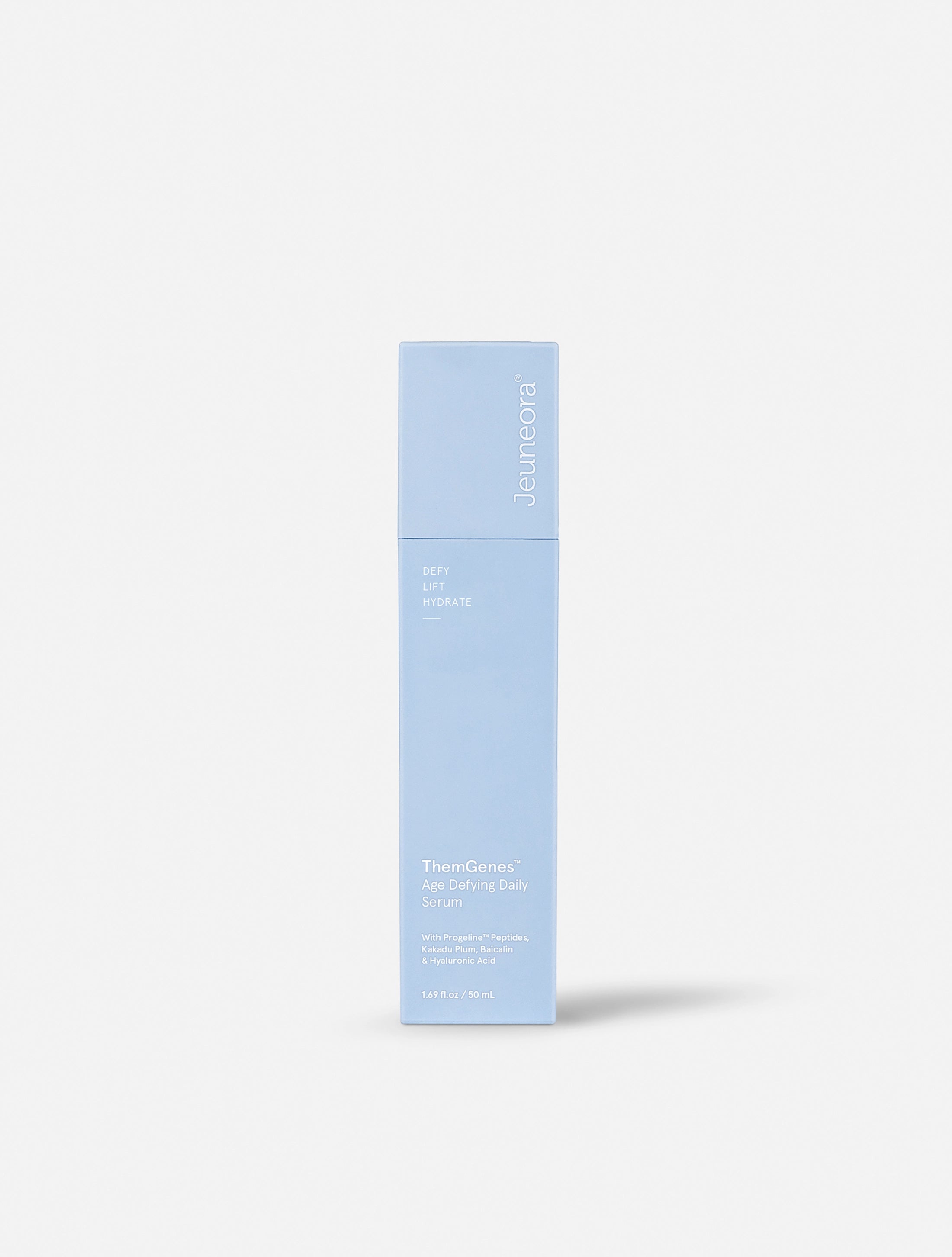
- Hydrating serum - Hydrating Booster for a hyaluronic acid hydration layer. Swap in ThemGenes if you want more of a repair and anti-ageing focus
- Night cream - GoNightly Overnight Repair Cream
- Seal - a few drops of SuperSuper Face Oil pressed over the top on drier nights
- Wind down - Beauty Sleep about 30 minutes before bed, because deeper sleep equals better skin repair
The inside-out piece most people skip
Here's the part most winter skincare advice misses. No matter how good your routine is, your skin is built from what's happening inside your body. In winter, when hydration drops, diets shift toward comfort food and gut bacteria lose some of their diversity, your skin pays the price.
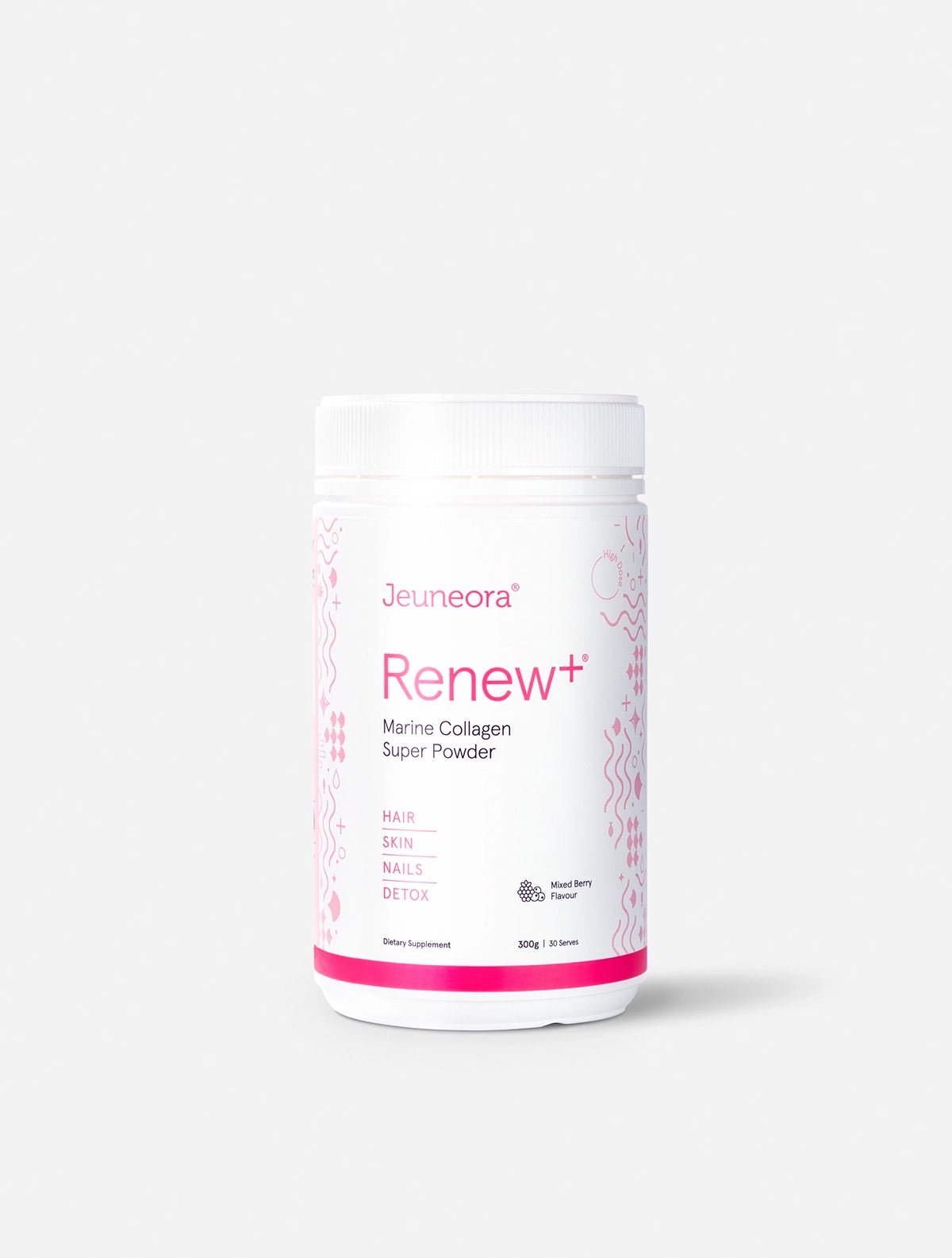
A daily dose of Renew+ Marine Collagen delivers 6g of clinically studied Naticol® marine collagen peptides along with 1000mg of vitamin C, which your body needs to make its own collagen. It's one of the most effective ways to support skin hydration and elasticity from within, and a New Zealand winter is the time your skin needs this support most.
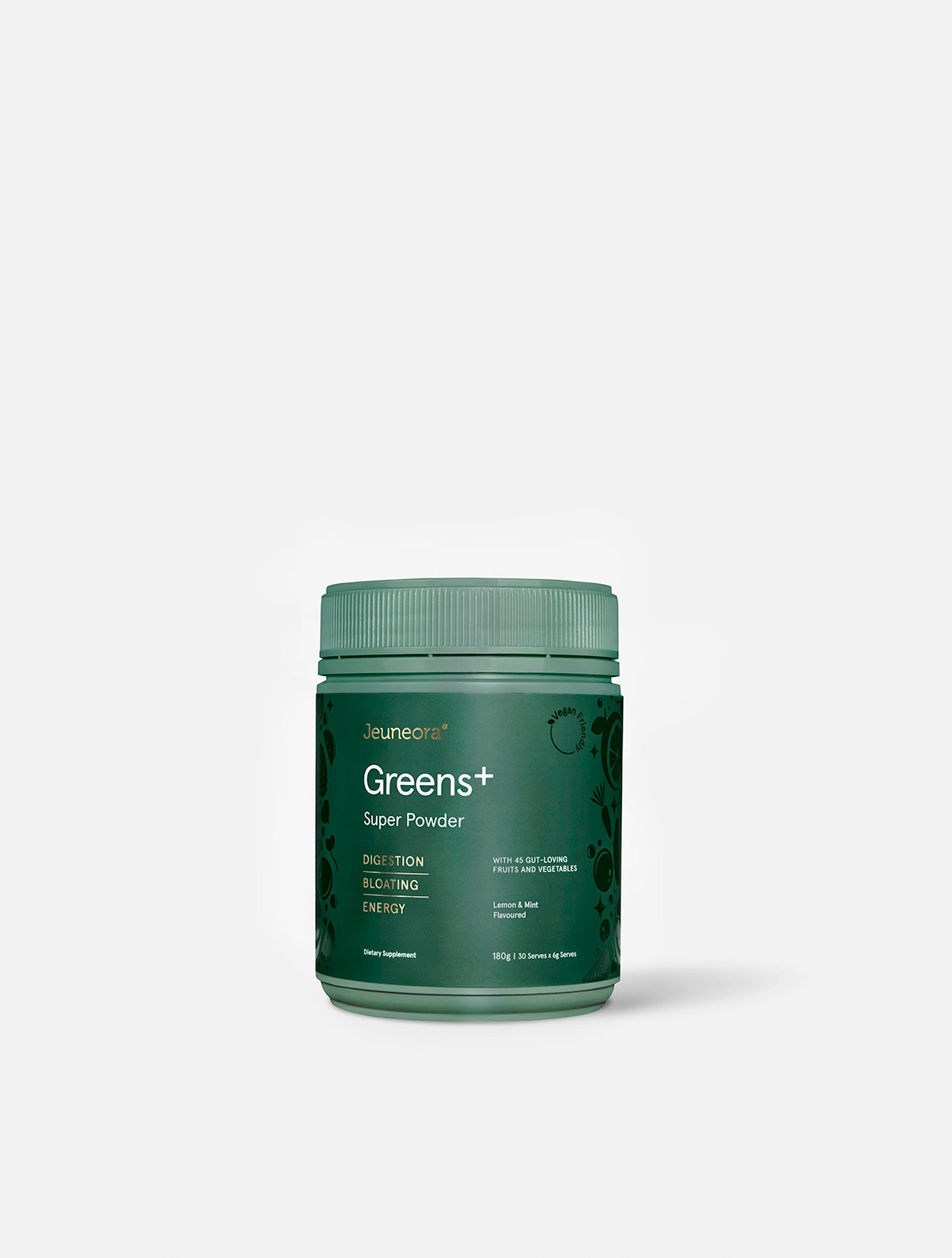
Greens+ covers the nutritional gaps that tend to widen in winter. 45+ nutrient-dense ingredients in a single serve, including prebiotics that support your gut microbiome. If you want the full story on why this matters for your skin, our gut-skin connection guide breaks it all down.
For more on how collagen supports your skin specifically, and what to expect when you start taking it, our complete guide to marine collagen benefits covers the research.
The bottom line
Winter in New Zealand is genuinely harder on your skin than summer, and the adjustments that keep it comfortable, hydrated and glowing are mostly about layering richer, gentler products and supporting your body from within.
The five changes are predictable. The fixes are simple. And the sooner you adapt, the less your skin has to catch up on when spring arrives.
And once the weather turns, our guide to morning vs night skincare covers what to use and when, whatever the season.
Ready to winter-proof your routine? Explore the Jeuneora Skincare Collection and find the pieces your skin has been asking for.