The Complete Guide to Marine Collagen Benefits
February 25, 2026
If you've been hearing a lot about marine collagen lately, you're not alone. It's one of the fastest growing supplements in the wellness space, and for good reason. But with so many collagen products on the market, it can be hard to know what actually works, what to look for and whether it's worth adding to your routine.
This guide breaks down everything you need to know about marine collagen, from what it is and how it works to the science behind the benefits and how to choose a supplement that delivers real results.
What is marine collagen?
Collagen is the most abundant protein in your body. It makes up roughly 30% of your total protein and plays a structural role in your skin, hair, nails, bones, joints and connective tissue. Think of it as the scaffolding that holds everything together.
Marine collagen is a specific type of collagen sourced from fish, typically from the skin and scales. It's rich in type I collagen, which is the same type that makes up around 80% of the dermal layer of your skin. This is what makes it particularly effective for beauty and skin health benefits.
Most quality marine collagen supplements use hydrolysed collagen peptides. This means the collagen has been broken down into much smaller molecules through a process called hydrolysis, making it easier for your body to absorb and use.
Why does your body need more collagen?
Here's the thing most people don't realise: your body's natural collagen production starts declining from around the age of 20. After that, you lose roughly 1% of your collagen each year. By your 40s, collagen and elastin fibres begin to break down, thicken and lose elasticity, which shows up as wrinkles, fine lines, sagging skin and thinner hair.
External factors speed this up too. UV exposure, stress, poor diet and environmental pollution all contribute to collagen degradation. Modern diets, especially plant-based ones, tend to include fewer collagen-rich foods like bone broth and organ meats than traditional diets did.
This is exactly why supplementing with collagen has become so popular. When your body can't produce enough on its own, giving it the building blocks it needs through a high-quality supplement can make a noticeable difference.
Marine collagen vs bovine collagen: what's the difference?
Not all collagen is created equal. The two most common supplemental sources are marine (fish) and bovine (cow), and they differ in some important ways.
Type of collagen: Marine collagen is composed almost entirely of type I collagen, which is the most relevant type for skin, hair and nails. Bovine collagen is typically a mix of type I and type III.
Bioavailability: Marine collagen peptides have a smaller molecular structure than bovine collagen, which means they're absorbed more efficiently. Research suggests marine collagen is up to 1.5 times more bioavailable than bovine sources, allowing it to enter the bloodstream and reach the skin more quickly.
Sustainability: Marine collagen is often sourced from fish skin, a by-product of the fishing industry that would otherwise go to waste. This makes it a more environmentally conscious choice. High-quality brands source their collagen from sustainably certified fisheries.
Safety: Marine collagen carries no risk of diseases associated with mammalian sources, such as bovine spongiform encephalopathy (BSE). It's also suitable for people who avoid bovine products for religious or cultural reasons.
If your primary goal is supporting your skin, hair and nails, marine collagen is generally considered the better match because it closely mirrors the type of collagen found in your own skin.
The proven benefits of marine collagen
Marine collagen isn't just hype. There's a growing body of clinical research that supports its effectiveness for skin, hair, nails and overall wellbeing.
Skin hydration and elasticity
Clinical studies on hydrolysed marine collagen peptides have shown significant improvements in skin hydration, firmness and elasticity. One clinical study found that participants taking marine collagen peptides experienced a measurable reduction in wrinkle depth and improved skin firmness in as little as eight weeks.
Wrinkle reduction
In a double-blind, placebo-controlled study involving mature women, daily supplementation with marine collagen peptides led to an 11% reduction in periorbital wrinkles (crow's feet) after eight weeks, along with a 20% improvement in skin firmness.
Hair strength and growth
Collagen provides the amino acids your hair follicles need to produce strong, healthy hair. Many women report reduced hair shedding, improved thickness and healthier growth after consistent supplementation, particularly those experiencing thinning or postpartum hair changes.
Stronger nails
Brittle, peeling nails are a common sign of declining collagen. Supplementing with marine collagen can support nail bed health and reduce breakage, leading to stronger, healthier-looking nails.
Gut health support
The amino acids in collagen, particularly glycine and proline, play a role in supporting the gut lining. Marine collagen may help with digestive comfort and support the integrity of the intestinal barrier.
Joint and bone support
While type I collagen is best known for its beauty benefits, research also suggests it can support joint flexibility and bone mineral density, particularly as we age.
How much collagen should you take per day?
The short answer: clinical studies have shown benefits at doses ranging from 2.5g to 10g per day, depending on the quality and bioavailability of the collagen used.
Higher quality marine collagen peptides with a low molecular weight (like Naticol®) have been clinically studied and shown to be effective at doses as low as 2.5g. However, many people see the best results with doses of 5g to 6g per day.
It's worth noting that more isn't always better. Your body can only process so much collagen at once, so exceeding the recommended dose doesn't necessarily translate to faster or better results. Consistency matters far more than quantity.
Most people begin to notice changes in their skin within four to six weeks. Stronger nails and improved hair tend to follow around eight to twelve weeks of consistent daily use.
What to look for in a marine collagen supplement
The collagen market in Australia and New Zealand is growing fast, and not all products are created equal. Here's what to look for when choosing a supplement that actually works:
- Type I collagen from marine sources for optimal skin, hair and nail benefits
- Hydrolysed peptides with a low molecular weight for superior absorption
- Clinically studied ingredients backed by published research, not just marketing claims
- Adequate dosage of at least 2.5g per serve, ideally 5g or more
- Transparent labelling so you know exactly what you're getting per dose
- No unnecessary fillers, binders or additives
- Sustainably sourced collagen from certified fisheries
Many popular collagen supplements use doses well below the clinically effective range, or bulk up their formulas with fillers. It's always worth checking the label to see how much actual collagen you're getting per serve and where it's sourced from.
Why Renew+ was built differently
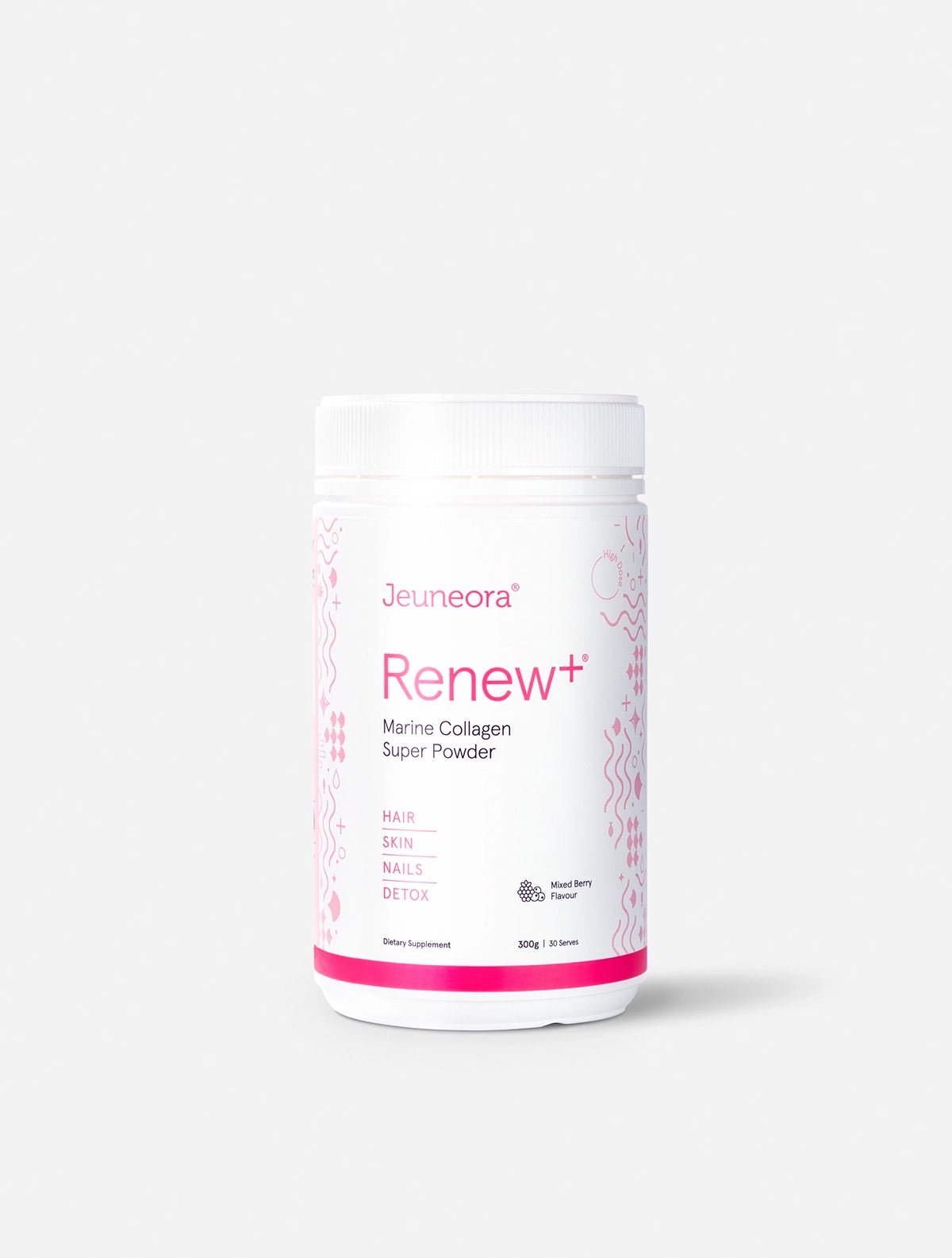
Renew+ is Jeuneora's original marine collagen product, and it was formulated to tick every box on the list above.
Each serve contains 6g of premium Naticol® French marine collagen peptides, sustainably sourced from fish skin in France and certified by Friend of the Sea. Naticol® is a clinically studied marine collagen with published research showing it can improve skin firmness, reduce wrinkles and support skin hydration.
But Renew+ goes beyond collagen alone. The formula also includes:
- Vitamin C (1000mg) to support your body's natural collagen production and provide antioxidant protection
- Hyaluronic acid (60mg) to support skin hydration and moisture retention
- Bromelain (50mg) a natural digestive enzyme to support gut comfort
- Zeolite (2000mg) a volcanic mineral that supports the body's natural detox process
It comes in three delicious flavours (Mixed Berry, Pineapple and Watermelon), contains no fillers, binders or additives, and is proudly made in New Zealand. With over 27,000 verified reviews, it's one of the most trusted marine collagen supplements in Australasia.
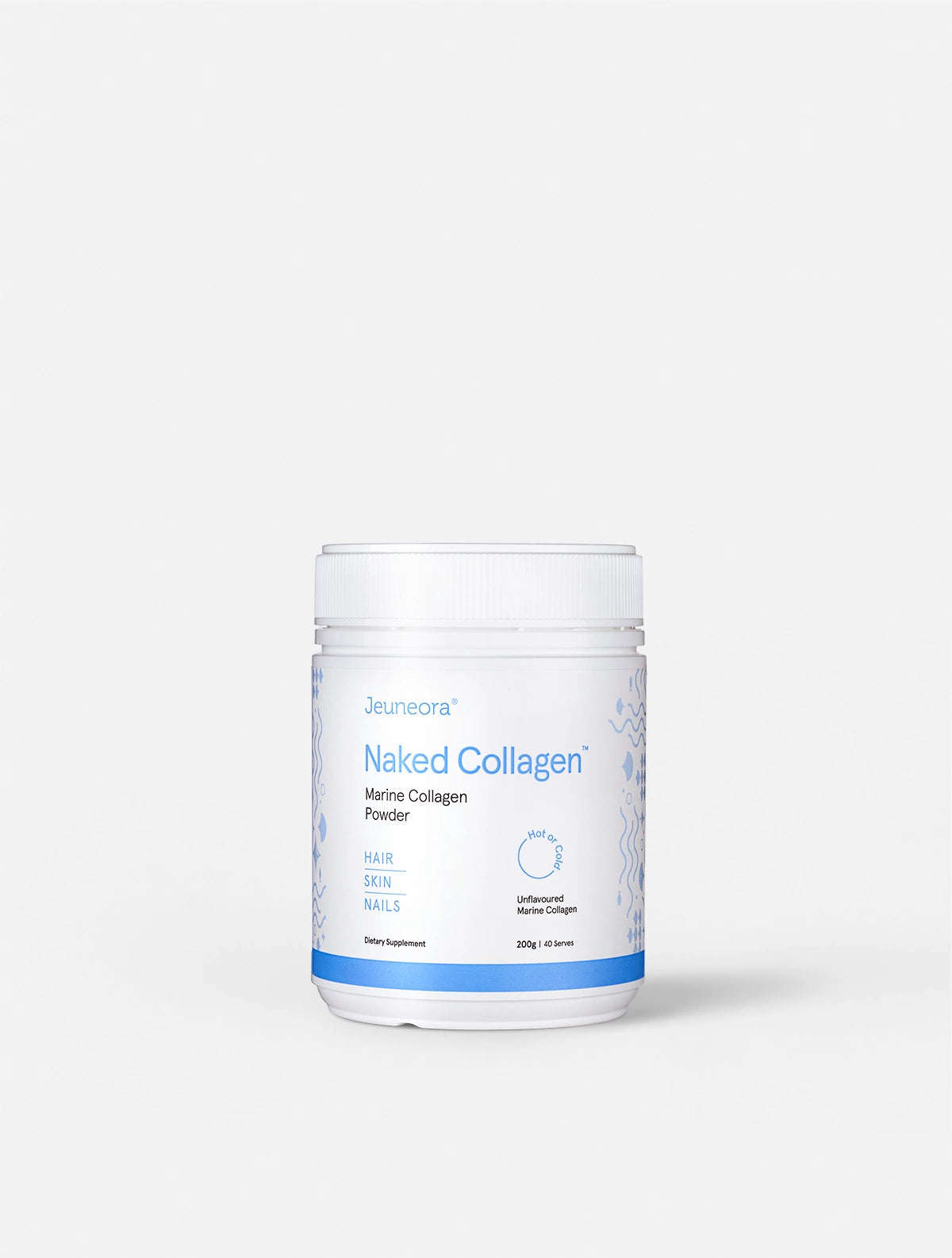
If you prefer something unflavoured, Naked Collagen is 100% pure Naticol® marine collagen peptides with no added ingredients. It's heat stable, odourless and dissolves beautifully into coffee, smoothies or anything else you're already drinking.
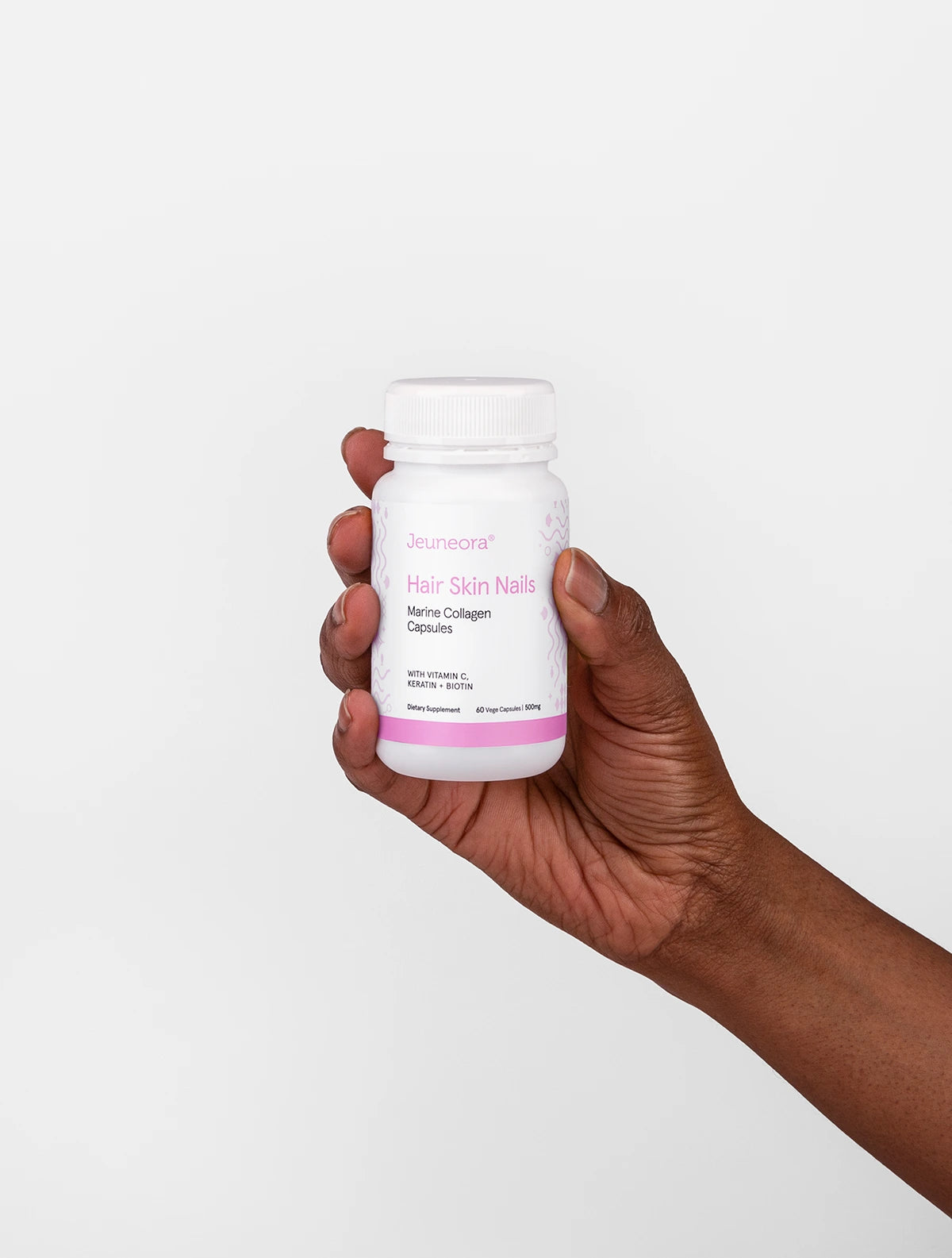
And for targeted hair and nail support, Hair Skin Nails Capsules combine marine collagen with keratin, biotin and vitamin C in a convenient daily capsule.
You can explore the full range in the Marine Collagen Collection.
When should you start taking collagen?
The honest answer? Earlier than you might think. Since collagen production starts declining in your 20s, starting a collagen supplement in your mid to late 20s can help maintain what you already have. That said, it's never too late to start. Women in their 40s, 50s and beyond consistently report visible improvements in skin, hair and nails after supplementing with marine collagen.
If you're going through perimenopause or menopause, collagen support becomes even more important. The hormonal changes during this time can accelerate collagen loss, which is why many women notice more dramatic changes in their skin and hair during this stage of life.
If you're navigating perimenopause or menopause and want to understand what's really happening to your collagen and how to support it, our guide to collagen for menopause covers everything you need to know.
How to get the most from your marine collagen
Taking a daily collagen supplement is a great foundation. Here are some simple ways to maximise your results:
- Be consistent - daily use is key. Most clinical studies showing benefits ran for at least eight to twelve weeks of consistent supplementation
- Pair with vitamin C - vitamin C is essential for collagen synthesis, which is why Renew+ includes 1000mg per serve
- Protect your existing collagen - wear SPF daily, manage stress and eat a nutrient-dense diet
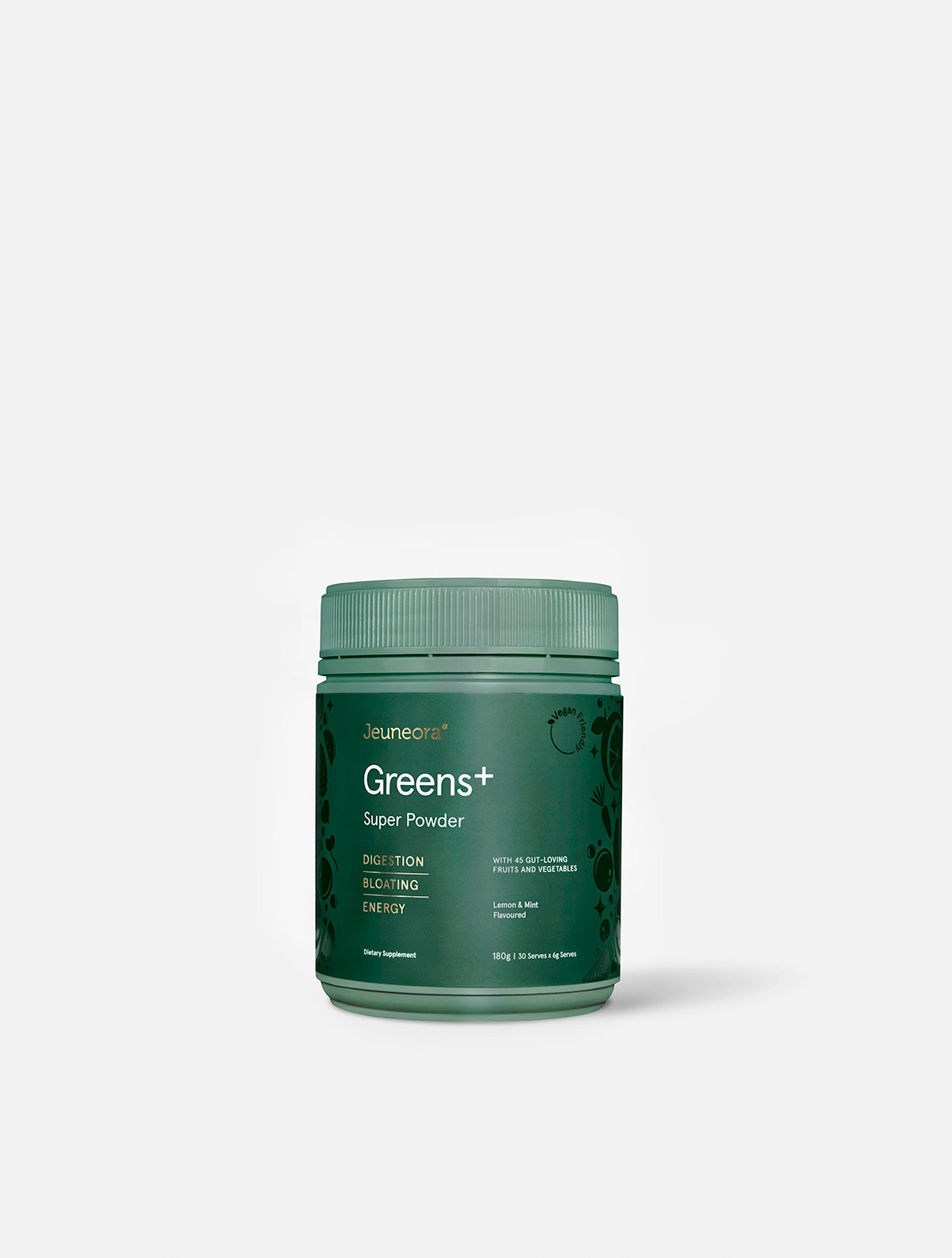
- Support your gut health - healthy digestion supports better absorption. A daily greens powder like Greens+ can help support your gut microbiome alongside your collagen routine
- Stay hydrated - collagen works best when your body is well hydrated
The bottom line
Marine collagen is one of the most effective, well-researched supplements you can add to your daily routine for visible improvements in skin, hair and nails. The key is choosing a product that uses clinically studied, sustainably sourced marine collagen peptides at an effective dose, with no unnecessary fillers.
Whether you're just starting to notice the first signs of ageing, navigating hormonal changes, or simply want to support your body from the inside out, marine collagen is a smart, science-backed place to start.
Ready to find the right collagen for you? Explore the Jeuneora Marine Collagen Collection and start your journey to healthier, glowing skin.