Postpartum Hair Loss: Why It Happens and How to Support Your Recovery
May 01, 2026
Around three months after giving birth, you reach into your hair and come away with a handful. It's in the shower drain, on your pillow, all over the bathroom floor. And it just keeps coming.
If you're a new mum in New Zealand or Australia and you're losing hair at a rate that feels alarming, you're not alone. Studies suggest up to 90% of new mums experience postpartum hair loss, and almost nobody warns you about it before it happens.
Why does postpartum hair loss happen?
During pregnancy, high oestrogen levels keep more of your hair in its growth phase for longer than usual. That's why so many women describe their hair as the thickest and shiniest it's ever been while they're pregnant.
After birth, oestrogen levels drop sharply. All that hair that was hanging on through pregnancy suddenly shifts into its resting phase at once, and a few months later it sheds. The medical term is telogen effluvium, and it typically begins between two and four months postpartum, peaking around three to four months.
Some women lose up to 30% of their hair volume during this phase. The reassuring part? It's almost always temporary. Most new mums see meaningful regrowth between six and twelve months postpartum, with full thickness often returning by your baby's first birthday. The quality and speed of that regrowth depends a lot on what's happening nutritionally.
The collagen connection (and why it matters now)
Hair is often the most visible signal of postpartum recovery, but the same hormonal shifts and nutritional demands also affect your skin, nails, energy, gut and mood. The good news is one foundation supports all of it: giving your body the building blocks it needs to recover.
Pregnancy and breastfeeding both deplete your nutritional stores significantly. Protein, iron, B12, zinc and biotin are all critical for hair regrowth, and many new mums are running low on more than one. A balanced diet rich in lean protein, eggs, leafy greens, oily fish and nuts gives your body the foundation it needs - and where diet alone falls short, targeted supplementation helps fill the gaps.
Collagen is central to the recovery story. It's the most abundant protein in your body and a major component of skin, hair, nails and connective tissue. Pregnancy and birth take a real toll on your body - your collagen reserves have been working overtime, and the same oestrogen drop that triggers hair shedding also slows your collagen synthesis.
Replenishing collagen postpartum gives your body the specific amino acids it needs for hair regrowth, skin repair and connective tissue healing. The catch is that not every supplement is appropriate at every stage.
While you're breastfeeding
If you're breastfeeding, the safest approach is simple. You want pure, single-ingredient supplements where you know exactly what's going into your body (and your baby's).
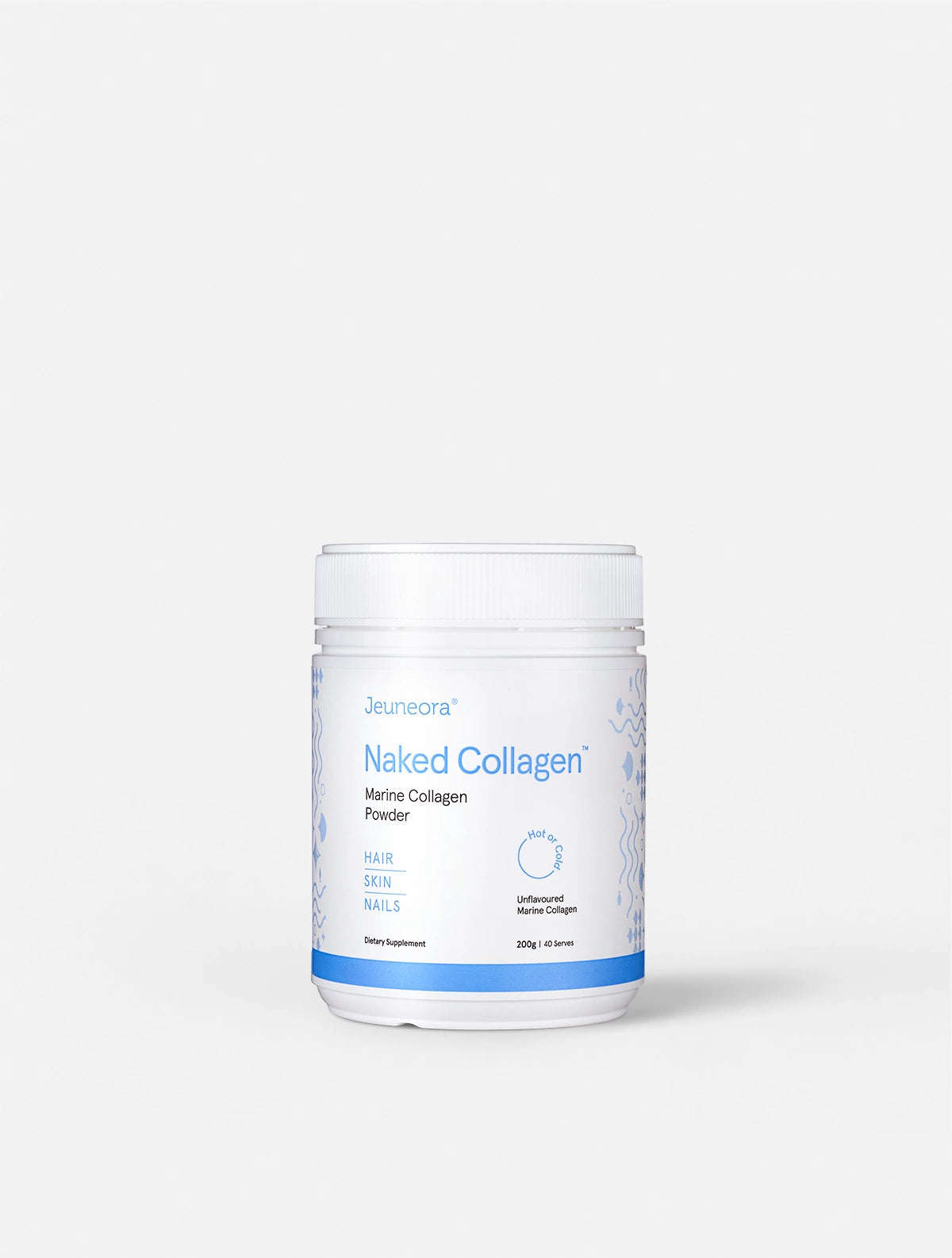
Naked Collagen is 100% pure Naticol® French marine collagen peptides with nothing else added. No vitamins, no botanicals, no flavourings. Just hydrolysed type I marine collagen, sustainably made in France from upcycled fish skins, a by-product of the fishing industry, so nothing goes to waste. It's heat stable, odourless and dissolves into anything - your morning coffee, a smoothie, even a glass of water.
For most breastfeeding mums, this is the cleanest way to support hair, skin and connective tissue recovery without introducing additional ingredients. That said, every feeding journey is different, so always check with your midwife, lactation consultant or GP before adding any supplement to your routine.

Once you've finished breastfeeding
Once breastfeeding is no longer in the picture, you've got more options. This is the stage where many New Zealand and Australian mums find the shedding has settled but the regrowth is slow, fine and patchy. Skin still feels different. Energy is still up and down. Hormones are still finding their new normal.
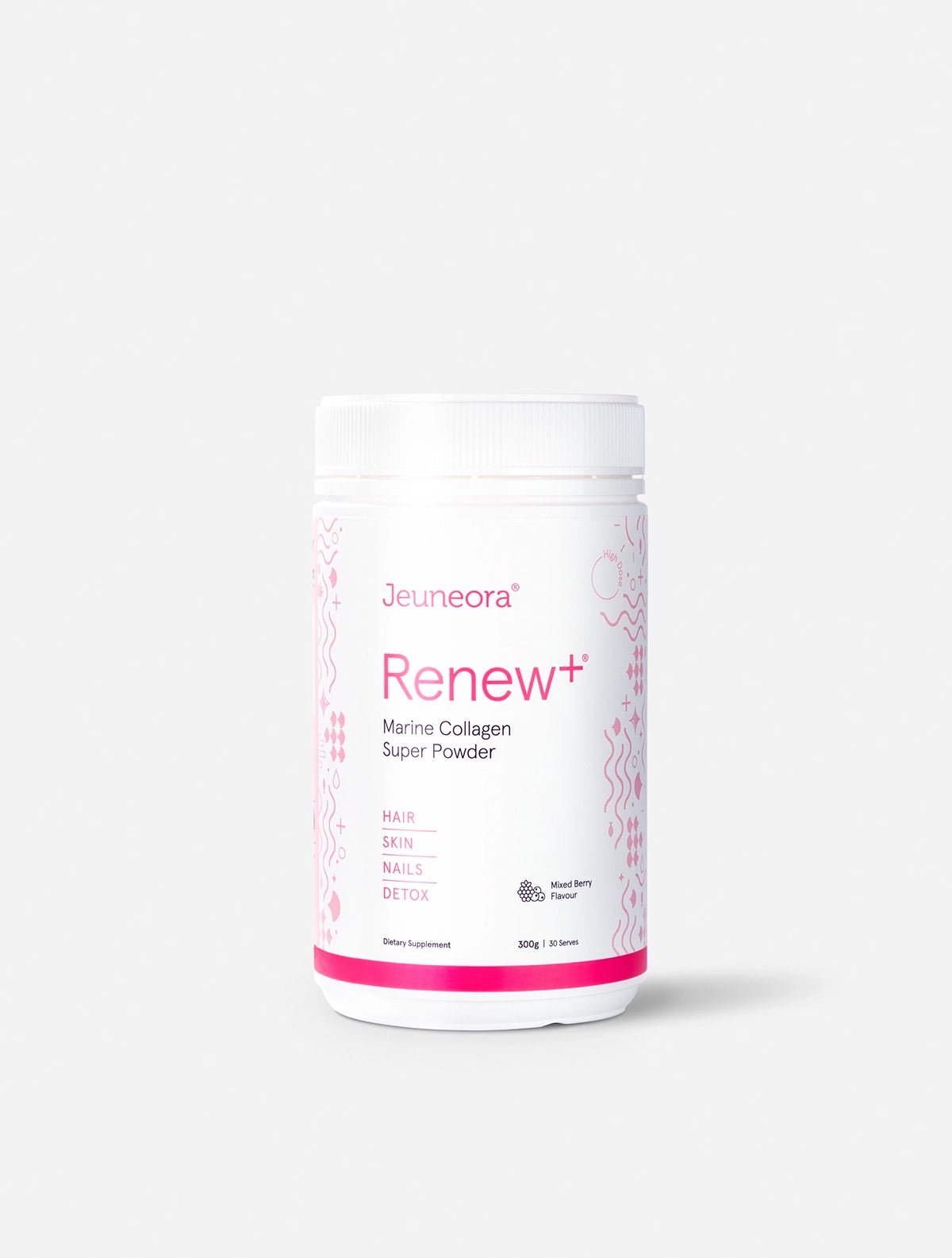
Renew+ Marine Collagen delivers 6g of premium Naticol® marine collagen peptides per serve, plus 1000mg of vitamin C, hyaluronic acid, bromelain and zeolite. It's the most complete daily collagen drink in the Jeuneora range, and it's the one most mums move to once feeding ends.
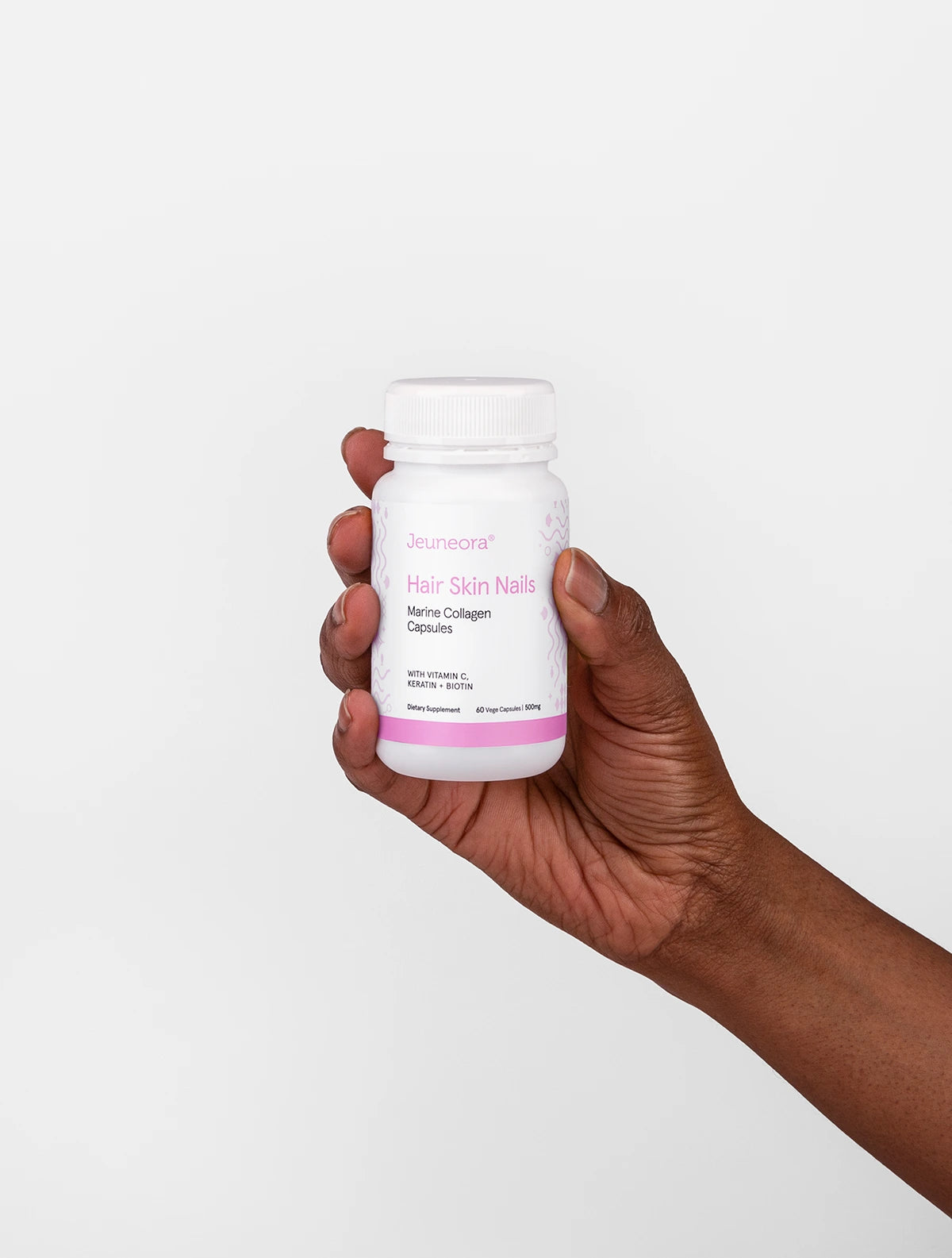
For targeted hair, skin and nail support in capsule form, Hair Skin Nails Capsules combine marine collagen with keratin, biotin and vitamin C.
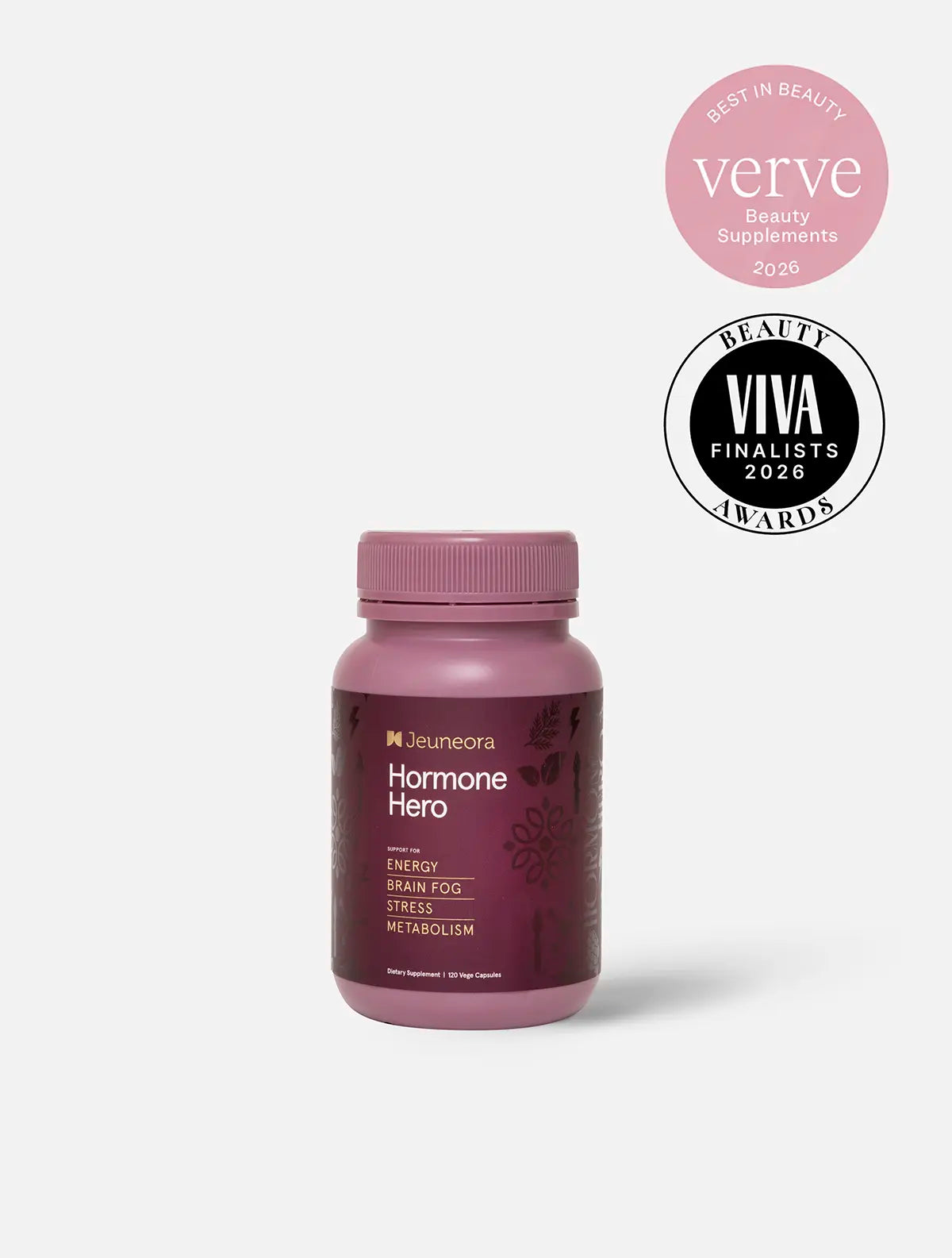
And then there's the hormonal piece. Hormone Hero was developed by our founder Monique to support women through hormonal shifts, with clinically studied botanicals including Eriomin®, Fermodiola® and Bluenesse®. It also delivers 320mg of magnesium bisglycinate per serve - the full recommended daily intake for women in New Zealand. That matters because postpartum magnesium stores are commonly depleted by pregnancy, breastfeeding and broken sleep, and magnesium plays a key role in mood, sleep quality, energy and muscle recovery.
Hormone Hero is a meaningful addition for postpartum mums whose cycles are returning - but not one to start while breastfeeding. Wait until feeding has finished and chat with your healthcare provider first.
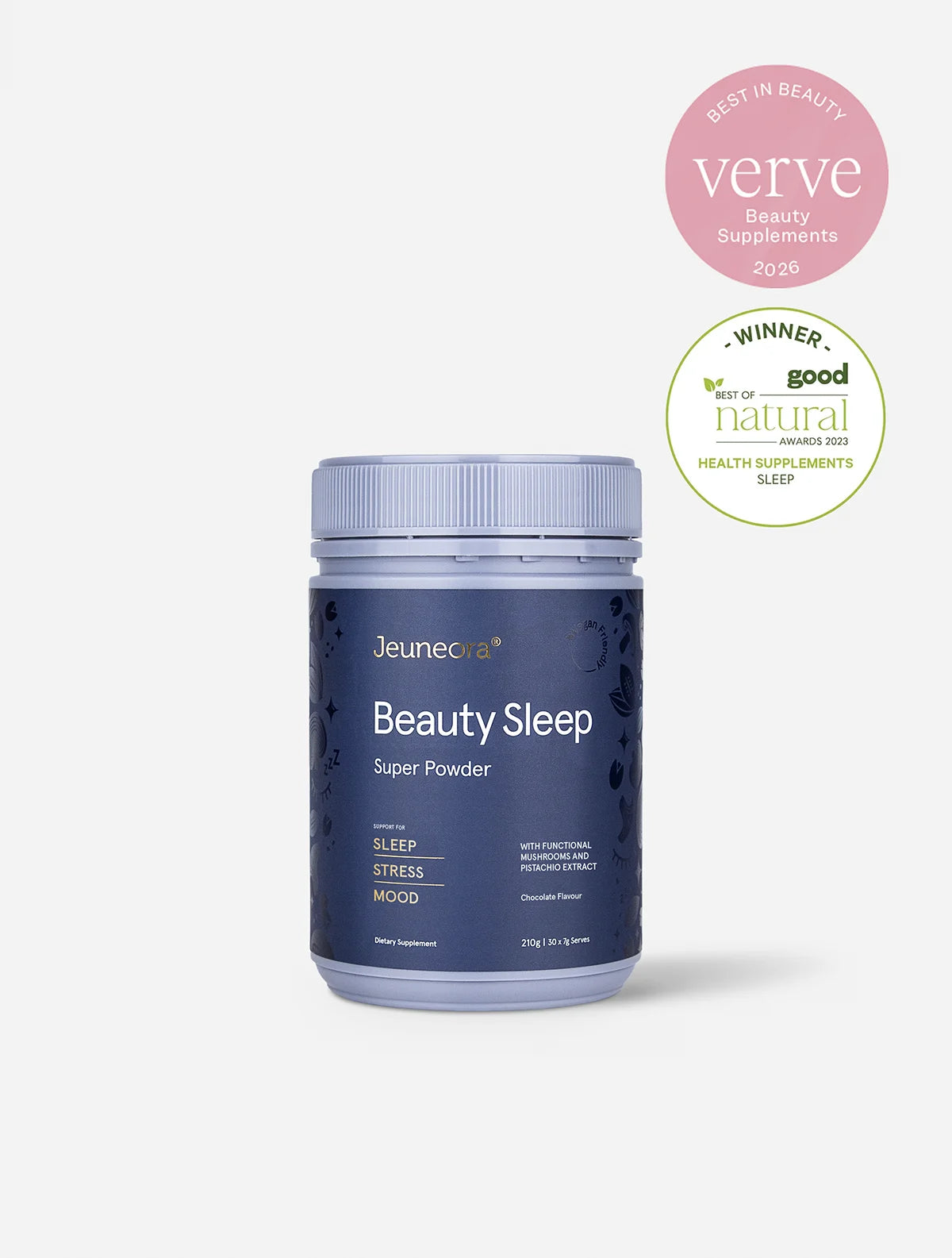
The other piece worth adding once breastfeeding is over is sleep support. Beauty Sleep is a warm bedtime drink formulated with pistachio extract and adaptogenic mushrooms (reishi, shiitake and maitake) to help you wind down naturally. Many of the mums in our community describe it as their first non-negotiable evening ritual - five minutes to themselves, something warm in their hands, and a sleep aid that doesn't leave them feeling groggy.
Why sleep matters more than ever
You can take all the right supplements and still feel terrible if you're running on three hours of broken sleep. Sleep is when your body does its deepest repair - including hair regrowth, skin renewal and hormonal regulation - and new motherhood is when sleep is most disrupted.
You can't always control how much sleep you get. But you can support the quality of what you do manage, both nutritionally and through small wind-down rituals that signal to your body it's time to rest. If your sleep is disrupted by more than just baby wake-ups, our guide to why you can't fall asleep covers the cortisol and hormone reasons new mums often can't drop off even when they finally have the chance.
For more on how sleep, gut health and skin all connect, our gut-skin connection guide is a good follow-on read.

When to talk to your GP
Postpartum hair shedding is almost always temporary, but a few signs are worth getting checked. If your shedding is still significant beyond twelve months, if you're noticing patchy bald spots rather than even thinning, or if hair loss is paired with persistent fatigue, weight changes, brain fog or low mood, it's worth a conversation with your GP.
Thyroid issues, iron deficiency and other postpartum imbalances can mimic or worsen telogen effluvium, and they're easy to test for with simple blood work. Catching them early makes a real difference to your recovery.
A simple postpartum routine
Postpartum is not the time to be juggling ten supplements. Here's what a realistic routine looks like for most new mums:
While breastfeeding:
- Naked Collagen daily for hair, skin and connective tissue support
- Continue your prenatal or postnatal multivitamin as prescribed
- Prioritise protein, iron-rich foods and water wherever you can
Once you've finished breastfeeding:
- Renew+ Marine Collagen as your daily collagen drink
- Hair Skin Nails Capsules for targeted regrowth support
- Hormone Hero for hormonal recovery and full-RDI magnesium support
- Beauty Sleep in the evening for rest and recovery
Always check with your midwife, lactation consultant or healthcare professional before introducing any new supplement, particularly while breastfeeding. For more on how marine collagen works and what the research shows, our complete guide to marine collagen benefits covers it in detail.
The shedding will stop. The regrowth will come. And the small daily rituals you build now become the foundation you carry with you long after the postpartum stage is behind you.
Ready to start? Explore the Jeuneora Marine Collagen Collection and find the right fit for where you are in your recovery.